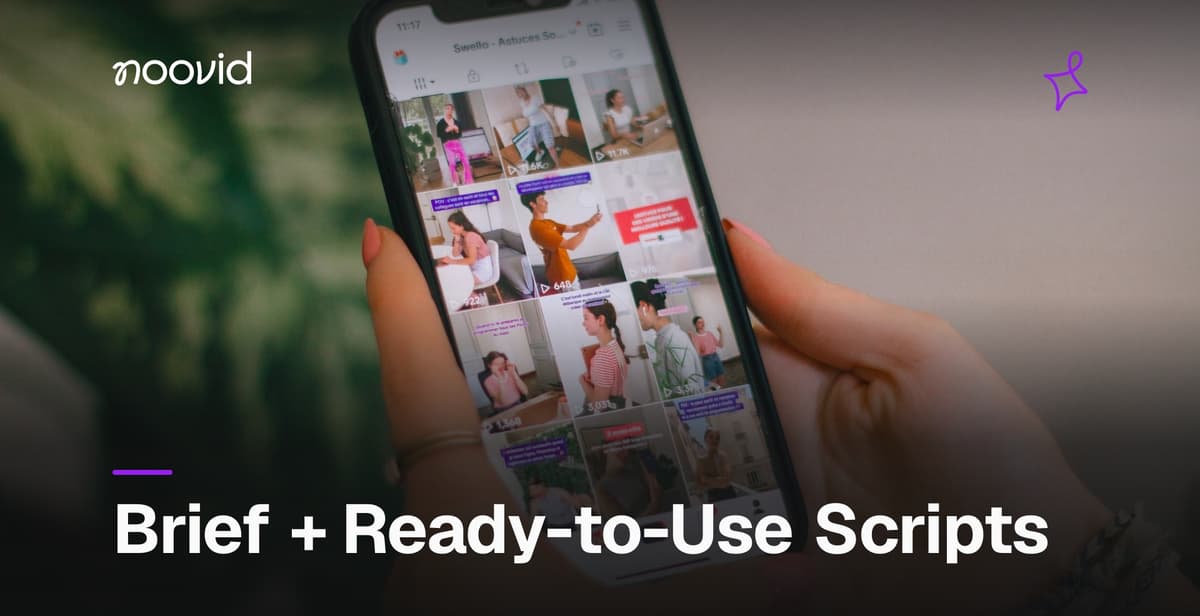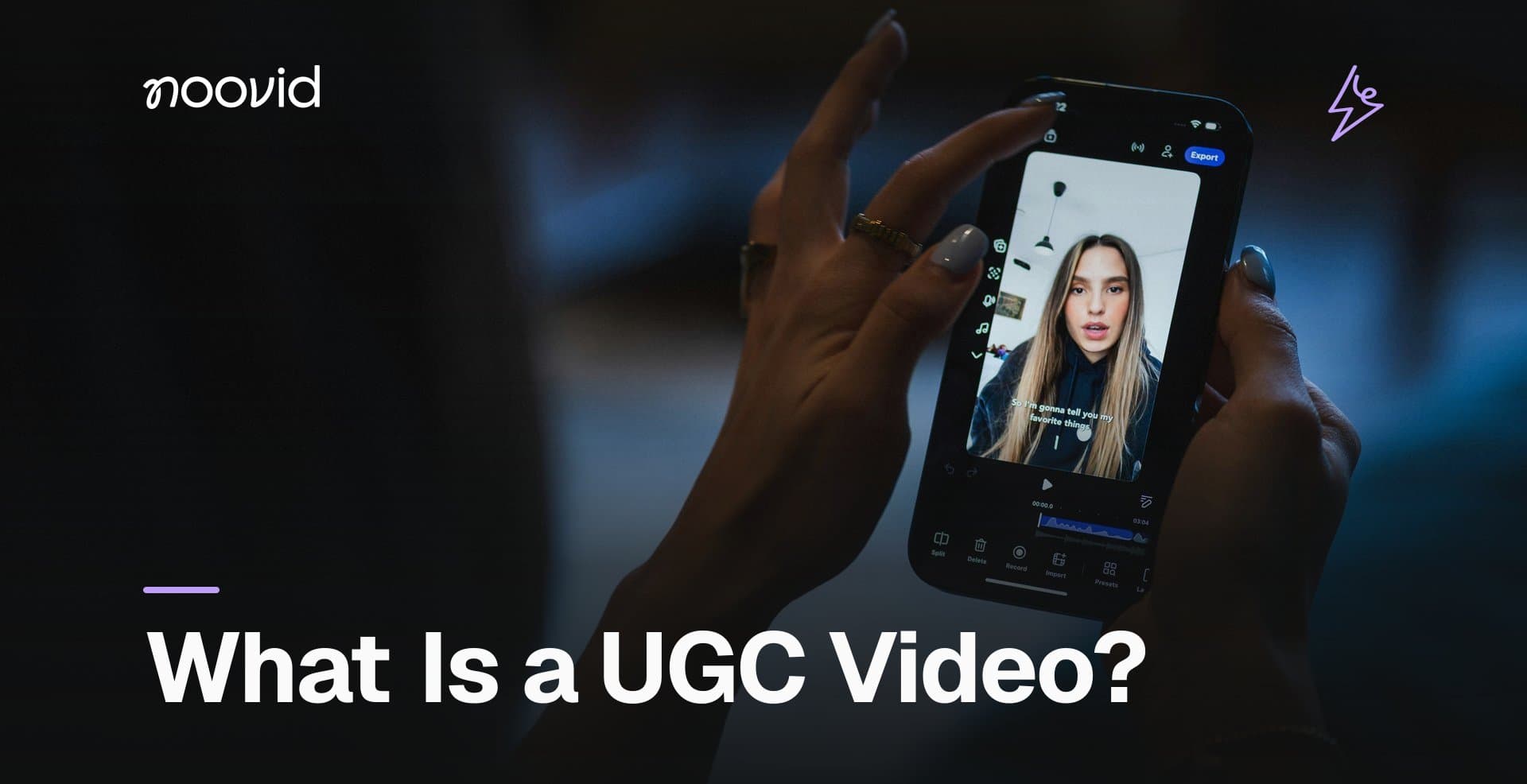
A UGC video is a video that looks like content from a real person: shot on a phone, with direct speech and an everyday setting, that a brand uses on social media and in ads. The "UGC style" is that natural look, and it still counts even when the video was commissioned and paid for by a brand. Whoever films it does not need to look like an actor. They need to look like a person.
If you are learning to shoot in this format, or you are a brand trying to understand what you are buying, this guide covers what defines the style, which formats exist, and how to film one from start to finish.
What a UGC video is
A UGC video is the video version of user-generated content. Instead of a commercial produced in a studio, it is someone showing, testing, or explaining a product the way they would for a friend.
Here is the part that trips people up: UGC does not mean the video was made for free or by accident. Most of the UGC running in ads today is commissioned. A brand hires a creator, sends the product and the brief, and gets back a video that still feels spontaneous. The "spontaneous" is the technique, not the accident.
So the term carries two meanings worth separating. There is the UGC video, which is the deliverable. And there is the UGC style, which is the look: that handheld-camera feel a video can have even when it is scripted and paid for.
What makes a video read as UGC
The difference between a UGC video and a traditional commercial is in production choices, not in quality. A good UGC video is careful. It just puts that care into looking real.
| Element | UGC style | Traditional commercial |
|---|---|---|
| Camera | Phone, handheld | Cinema camera, tripod, gimbal |
| Light | Natural light from a window | Built studio lighting |
| Speech | Spontaneous, like a conversation | Memorized script, pro voiceover |
| Setting | Real space (kitchen, bedroom, street) | Built set or studio |
| Editing | Hard cuts, simple captions | Heavy post, soundtrack, motion graphics |
| Feeling | A person's recommendation | A company's ad |
Notice that neither side is "better." They have different goals. The traditional commercial impresses. UGC creates recognition. On platforms where the feed is endless, recognition tends to win, which is why so many brands moved budget into this format.
A common beginner mistake is overproducing to look "professional" and killing the very thing that makes the video work. Light too perfect, delivery too rehearsed, edit too polished, and it turns back into an ad.
The UGC video formats brands ask for most
Almost every project lands in one of these formats. It is worth being fluent in each, because brands usually ask for them by name.
- Testimonial or review: you talk through your experience with the product, what it solved, who you would recommend it to. The classic social-proof format.
- Unboxing: opening the package, first impression, what comes in the box. It works because it shows the real product arriving.
- Product demo: you use the product on camera and show how it works in practice. Great for anything that needs explaining.
- Routine with the product ("GRWM," get ready with me): the product fits into your day without becoming the center of the scene. Reads as natural.
- Answering a doubt or objection: you take the question that stalls the purchase ("does it actually stick?", "does it work on oily skin?") and answer it by showing.
- Before and after: compares the starting state with the result. Only use it when it is true, or it destroys the trust the format is supposed to build.
When you build your UGC portfolio, shoot at least one example of each. That way a brand understands your style without having to guess.
Why the UGC style converts
The style converts because the brain reads the video as a recommendation, not an ad. When something looks like it was made by an ordinary person, the natural guard against advertising drops, and the message gets in.
That only works if the video grabs attention early. In the feed, a viewer decides in a couple of seconds whether to keep watching or scroll past. A UGC video with a perfect look and a weak opening performs worse than a plain video with a strong hook. So the opening is where the energy should go: read how to create UGC that sells in the first 3 seconds before you shoot the next one.
Natural also scales better in paid media. A brand can test ten UGC variations for the cost of one big production and let the audience decide which one works.
How to film one in this style
You can shoot a solid UGC video today, on the phone you already own. The process in short:
- Short script with a hook. Write the first line carefully and leave the rest loose. A question or a real problem opens well.
- Shoot vertical, on the phone. That is the format for Reels, TikTok, and Stories, and that is where these videos run.
- Use window light. Face the window, never turn your back to it. Natural light solves most of the image problem.
- Mind the audio. Speak close to the phone, in a room without echo or noise. Bad audio sinks more videos than bad image does.
- Keep the edit simple. Hard cuts, captions for people watching without sound, and nothing more.
That is the skeleton. Framing, stabilizing, reshooting openings, and getting the most out of the camera are covered in the guide on how to create incredible UGC using only your phone.
Where these videos end up
Understanding where the video goes helps you shoot better. A UGC video usually lands in three places:
- The brand's profile: posts and Reels on the company's own Instagram or TikTok.
- The product page: a video on the product listing, in the store, to answer the doubts of someone about to buy.
- Ads: the most common destination, and the one that pays the most. The brand puts the video into paid media on Meta, TikTok, or YouTube.
When the video becomes an ad, the industry calls it a "creative." You will hear that term a lot, and it matters when you agree on price and usage rights, because paid-media use is worth something different from an organic post. For now, just note that it exists: ad use is the most valuable scenario for your video.
Frequently asked questions
Does a UGC video have to be shot on a phone?
Not necessarily, but the phone is the right call in most cases. It delivers exactly the handheld look the format wants, and it is faster and cheaper. A professional camera can even make the video too polished and strip out the naturalness, which is the whole point of the style.
What is the difference between a UGC video and an influencer video?
An influencer video is published on the profile of someone with an audience, and you pay for that person's reach. A UGC video is an asset the brand receives and uses on its own channels, and it is judged by the content, not by follower count. You can go deeper on the comparison between UGC and influencers.
What does "UGC style" mean in ads?
It is when a brand runs an ad that looks like organic, real-person content instead of the polished traditional commercial. The idea is for the ad to blend into the feed and feel like a recommendation. A lot of performance campaigns use this style today precisely because it tends to convert better than the produced spot.
How long should a UGC video be?
It depends on the channel and the goal, but most run between 15 and 60 seconds. For ads, short and direct usually performs best. What really decides it is the brand's brief, so confirm the requested length before filming and, when in doubt, deliver one shorter and one longer version.

Written by
Noovid Team
The Noovid editorial team: UGC specialists who work hands-on with vetted creators and brands worldwide every day. We turn what's working into practical guides for getting content that sells.